

RECONCILIATION & REPARATIONS
From 1860 to 1865, most of the captives worked as slaves on the plantations of those men. After learning of their freedom in 1865, they approached Timothy Meaher in an attempt to purchase their way back to Africa. He kept raising the fare, and they never accumulated enough money to pay for their voyage. They asked Timothy Meaher to give them land as reparations, but he declined.
The enslaved Africans would eventually put their money together and purchase land from the Meaher Family. This land is now known as Africatown. Their hope was to recreate Africa in Mobile, Alabama. In the 10-year span after learning of their freedom, they would become U.S. citizens, purchase their own land, build homes, grow their own crops, form their own governing body, organize their first church, educate themselves and vote in the presidential election.

The lingering negative effects of slavery on living African-Americans and society is highlighted by the challenges in Africatown today. Africatown, once a thriving community with a population of 12,000, now has about 2,500 people. The economy, education and environmental statistics are among the worst in the county and state. And yet the family of Timothy Meaher, the man responsible for the Clotilda’s illegal trip in the mid-1800s, owns a major portion of land in Africatown and continues to flourish financially.
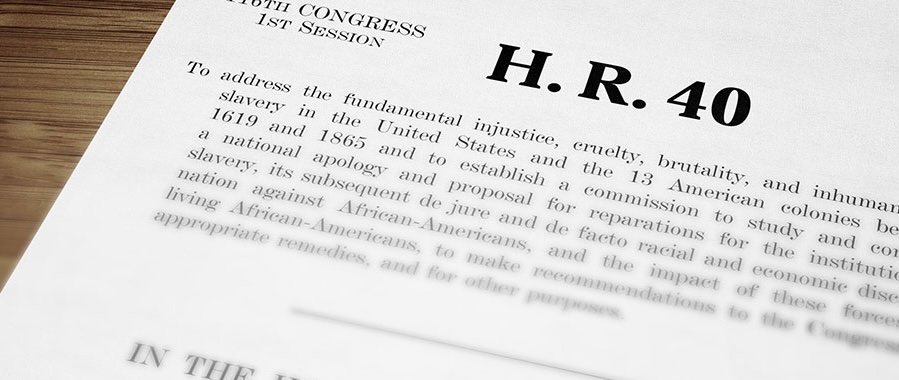
The story of the 110 enslaved Africans aboard the Clotilda is an ideal case study for H.R. 40 reparations bill. The bill establishes a commission to examine slavery and discrimination in the colonies and the United States from 1619 to present, and recommends appropriate reparation proposals for African Americans. H.R. 40 lays the foundation for future reparations and reconciliation in America.
JOIN THE CAMPAIGN
Sign your name and help us achieve the change we want to see.
-
The Civil Rights Division of the Justice Department, led by Assistant Attorney General Kristen Clarke and United States Congress should conduct a federal investigation into the crimes committed by co-conspirators Timothy Meaher, Captain William Foster and all parties involved in the smuggling of 110 enslaved Africans aboard Clotilda in July 1860. The recent discovery of Clotilda should prompt an investigation into previous court cases and new cases should be opened where warranted.
-
The United States congress, led by Majority Leader Chuck Schumer and Speaker of the House Nancy Pelosi should pass H.R. 40 Reparation Bill. Once passed, congress should conduct a study on the reparations owed to descendants of the 110 enslaved Africans aboard Clotilda. Afterwards, the United States government should pass legislations to pay owed reparations to descendants of the 110 enslaved Africans aboard Clotilda.